Author
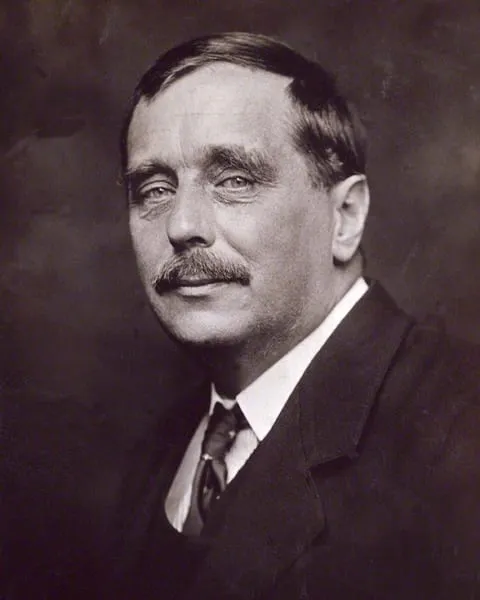
H. G. Wells
1866-1946
H. G. Wells was an English writer whose scientific romances, such as The Time Machine, imagined time travel, alien invasion and invisibility before these were common in science fiction.
Born Herbert George Wells.
Herbert George Wells was born on 21 September 1866 in Bromley, Kent, the youngest of four children of Joseph Wells, a shopkeeper and professional cricketer, and Sarah Neal, a former domestic servant. In 1874 a broken leg left him bedridden, and the library books his father brought him stirred his wish to write. When an injury ended his father's cricket career, the family could no longer support itself, and from 1880 to 1883 Wells served an unhappy apprenticeship as a draper in Southsea.
He left to become a pupil-teacher at Midhurst Grammar School, then won a scholarship to the Normal School of Science in London, where he studied biology under Thomas Henry Huxley. To earn money he wrote short humorous articles for journals, and their success encouraged him to write at book length.
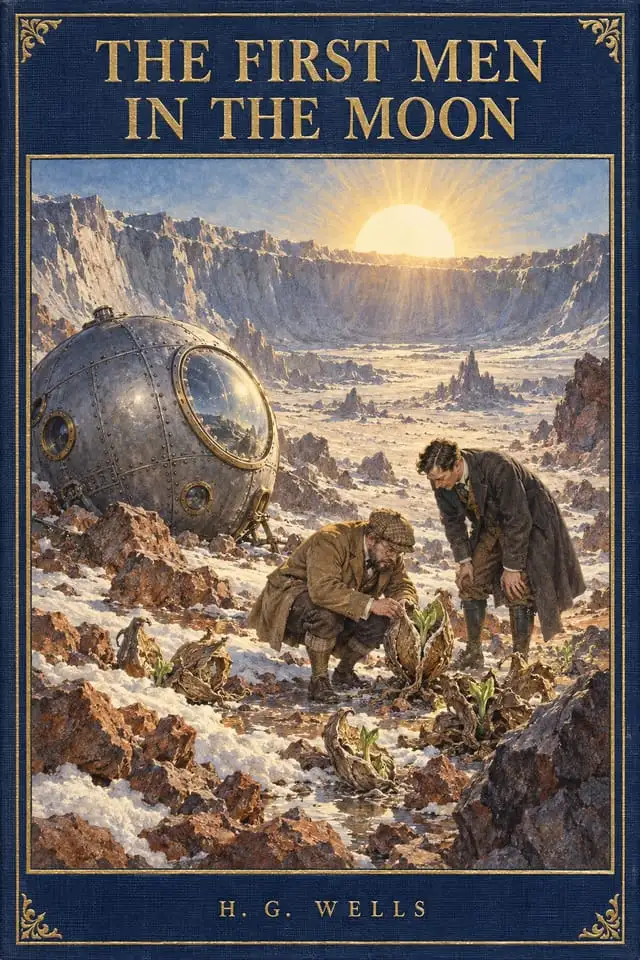
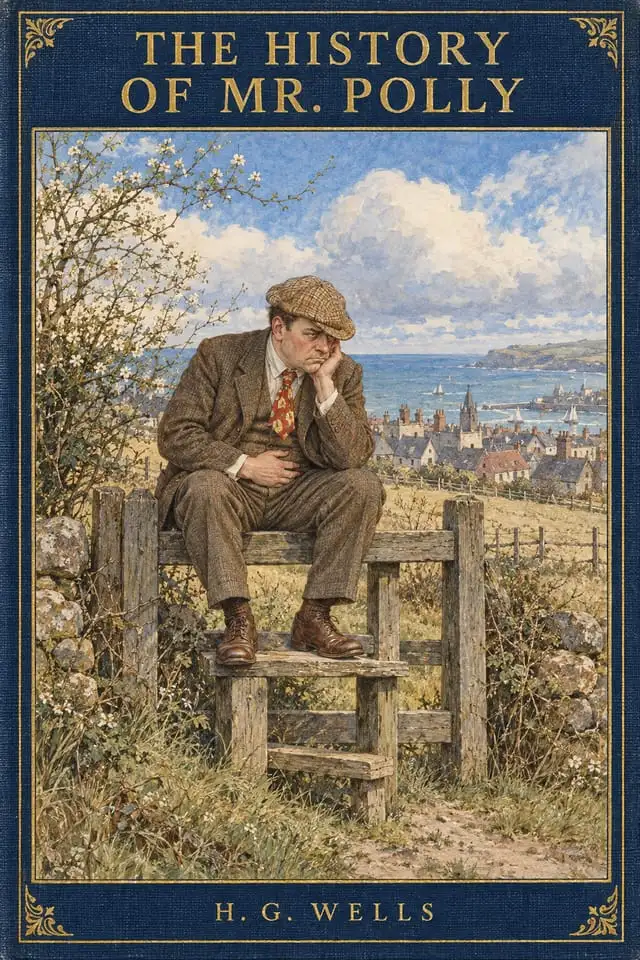
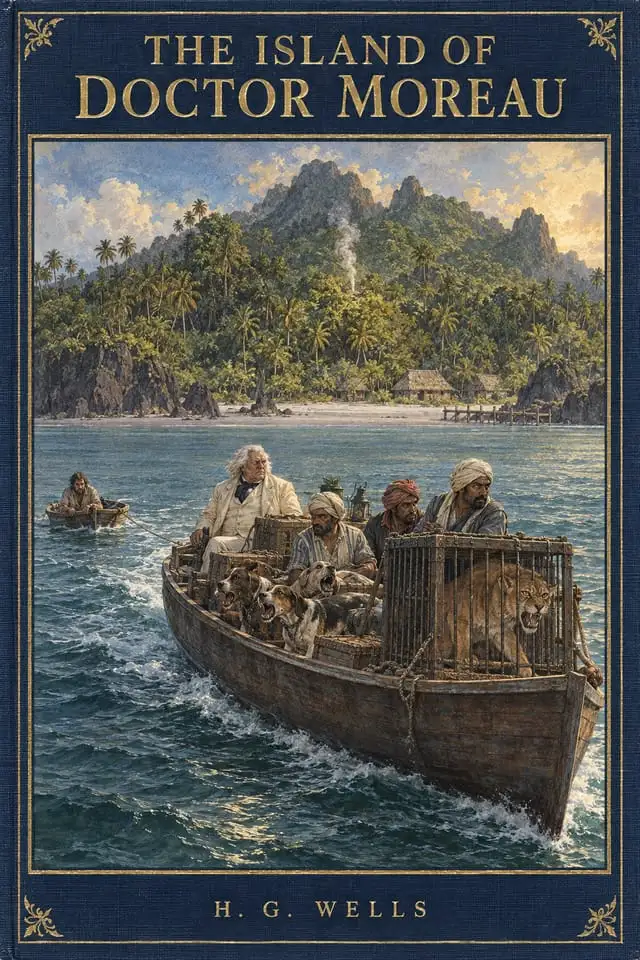
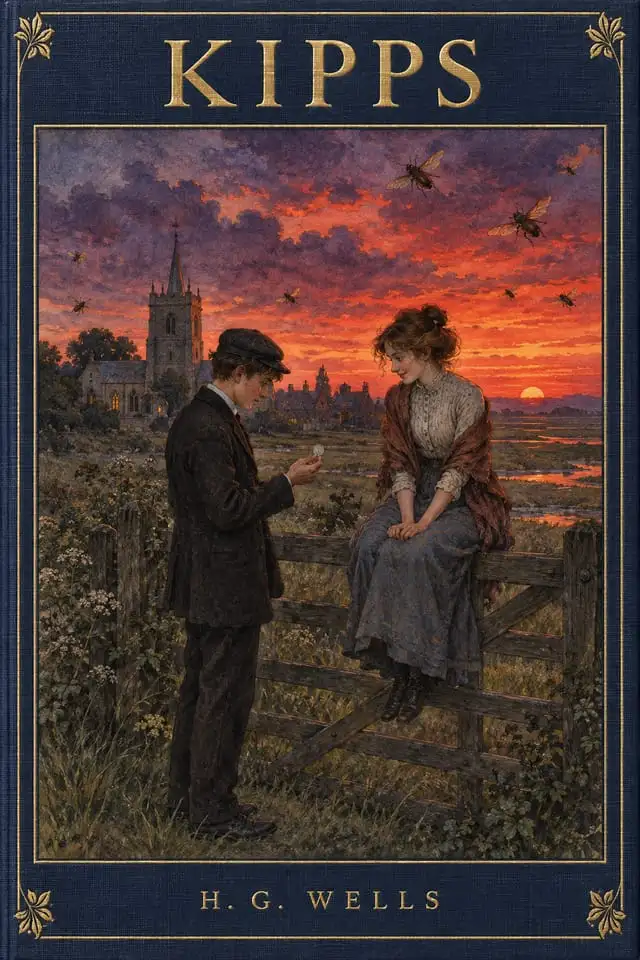
Between 1895 and 1901 he produced a run of what he called scientific romances: The Time Machine (1895), his first novel, The Island of Doctor Moreau (1896), The Invisible Man (1897), The War of the Worlds (1898) and The First Men in the Moon. He made them convincing by setting one extraordinary idea among ordinary detail. His years as a draper later inspired Kipps (1905) and The History of Mr. Polly (1910), novels of lower-middle-class life that led some to call him a successor to Charles Dickens. This site also has Mr. Britling Sees It Through.
He was nominated for the Nobel Prize in Literature four times, and died at his home in London on 13 August 1946, aged 79.
Sources: wikipedia.org