Author
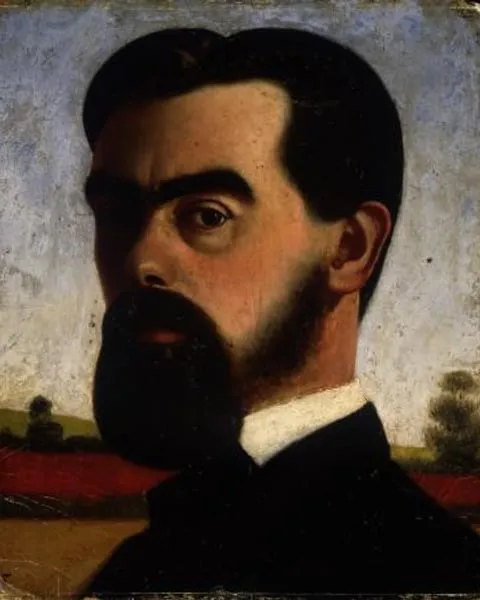
Samuel Butler
1835-1902
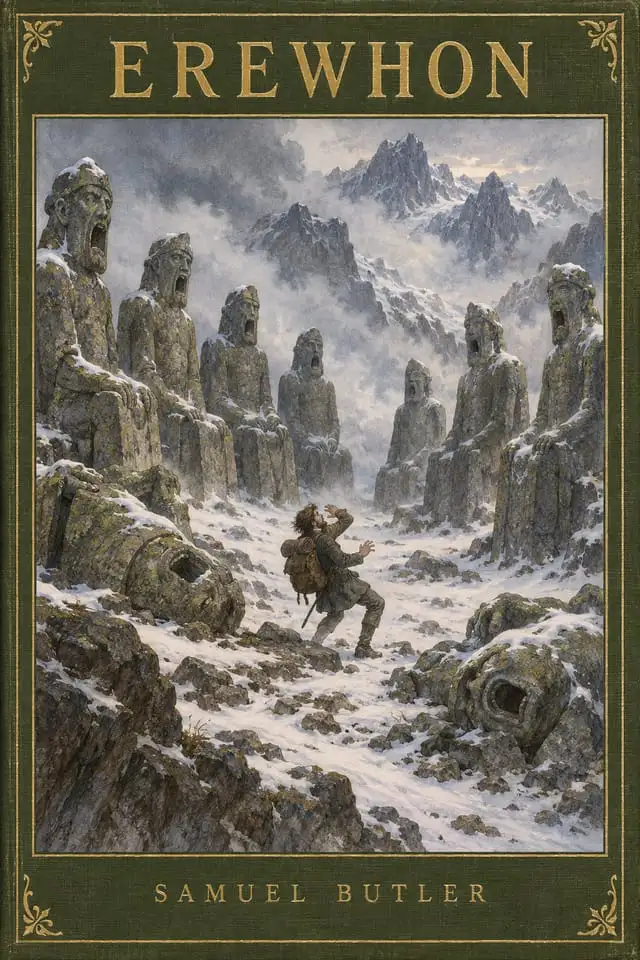
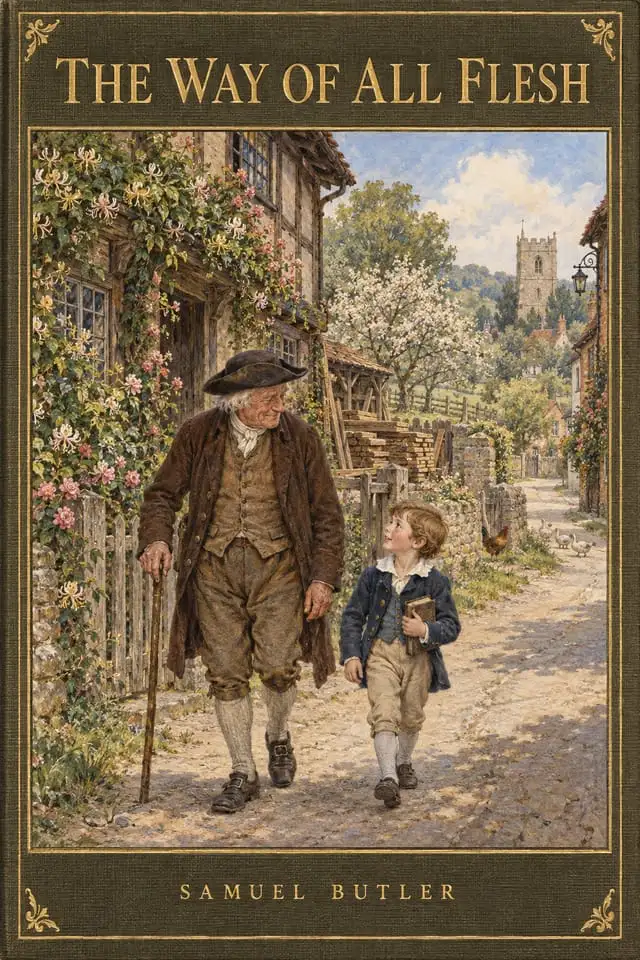
English novelist and critic, best known for the satirical utopian novel Erewhon and The Way of All Flesh, a semi-autobiographical satire on Victorian morality published after his death.
Samuel Butler was born on 4 December 1835 at the rectory in Langar, Nottinghamshire. His father, the Reverend Thomas Butler, was the son of a headmaster of Shrewsbury School who later became Bishop of Lichfield. Butler's home life was oppressive, his relations with his father were largely antagonistic, and he was set on course to follow him into the Church. After Shrewsbury School he went to St John's College, Cambridge, taking a first in Classics in 1858.
While preparing for ordination in a poor London parish, he began to question his faith, and his father's anger led him to emigrate to New Zealand in 1859. He farmed sheep on Mesopotamia Station and drafted much of Erewhon there. Back in England from 1864, he lived for the rest of his life in rooms at Clifford's Inn in London. He spent his summers in Italy and wrote on religion, evolution, Italian art and Homer, including prose translations of the Iliad and the Odyssey.
Erewhon (1872), a satirical utopian novel, appeared anonymously, and the guessing over its author made him well known once he revealed himself. The Way of All Flesh (1903), a semi-autobiographical novel with a satirical attack on Victorian morality, was completed in the 1880s but left unpublished to protect his family. It appeared the year after his death. Both novels have remained in print since they first appeared.
Butler died in London on 18 June 1902, aged 66. Aldous Huxley acknowledged the influence of Erewhon on his own novel Brave New World.
Sources: wikipedia.org